
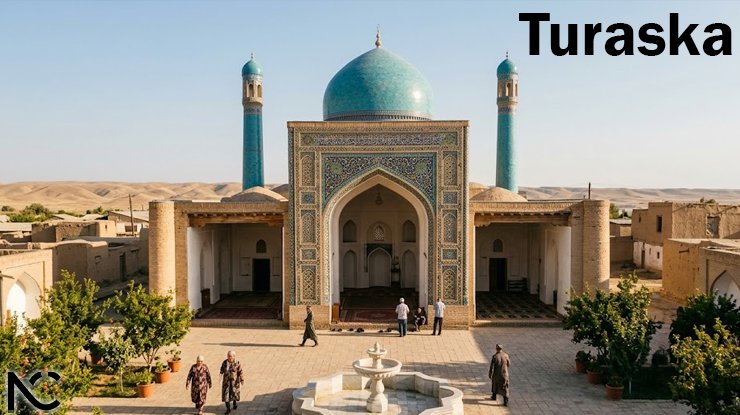
Have you ever come across the word Turaska and wondered what it means? You are not alone. Many people search for this word online and find it hard to get a clear, simple answer. Some see it in old books. Others hear it in a historical context. And some are just curious about what it really means.
What Is Turaska?
Turaska is an old historical word that comes from Sanskrit, one of the oldest languages in the world. In ancient Indian texts, the word was written as Turaṣka or Turushka. It was used to describe foreign people, mostly those who came from Central Asia.
In simple words, Turaska was a label that ancient Indian writers used for groups of people who were not part of the local culture. These were often tribes or communities that came from the northwest, especially from the Central Asian grasslands.
The word has two main meanings today:
- It is an ancient Sanskrit term for Central Asian and Turkic tribes.
- In Bengali, it is used as a name for the country of Turkey.
Both meanings point to the same part of the world, which makes the connection very interesting.
The Meaning Behind the Word
To understand Turaska, it helps to look at the word itself. The Sanskrit spelling Turaṣka is made of two parts.
The first part, “tura,” means fast or quick in Sanskrit. This likely described the fast horse riders and skilled warriors who came from the Central Asian steppes. These people were known for their speed in battle and their ability to move quickly across large distances.
The second part, “-ṣka,” was a common ending used in old Sanskrit to show that a word refers to a group or community. So, when you put them together, Turaska roughly means “the swift people” or “the community known for speed and mobility.”
This meaning makes a lot of sense when you think about it. The Central Asian tribes were famous for riding horses and moving quickly across large areas of land. Ancient Indian writers likely used this word to describe exactly that kind of people.
Over time, the meaning of Turaska became wider. It stopped being just about speed and started to include ideas of foreignness, outside origin, and political power.
Turaska in Ancient Indian Texts
The word Turaska appears in several important works of ancient Indian literature. These are not just small mentions. The word was used in well-known and widely read texts, which tells us that it was a common part of the language for educated people of that time.
Some of the texts where Turaska appears include:
- The Mahabharata – one of the two major Sanskrit epics of ancient India
- The Vishnu Purana – an ancient Hindu religious text
- The Bhavishya Purana – another ancient Hindu text that includes prophecies
- The Rajatarangini – a famous historical chronicle of Kashmir written by Kalhana in the 12th century
- The Kathasaritsagara – a large collection of Indian stories and tales
In these texts, the word Turaska was used to describe people who were considered outsiders. They were not always seen in a negative light, but they were clearly marked as different. The writers used such labels to separate people who followed the established social and cultural order from those who did not.
This is actually a common thing in ancient writing. Many old civilizations had specific words to describe people from other cultures. These words helped them organize and explain the world around them.
How Turaska Changed Over Time
One of the most interesting things about Turaska is how its meaning changed throughout history. In the beginning, it was a broad label used for many different groups from Central Asia. But over time, it became more and more connected to a specific group: the Turkic people.
This change happened for a very clear reason. Between the 10th and 13th centuries, Turkic rulers and armies began entering northern India in large numbers. These were real historical events that changed the entire region.
One of the most well-known of these rulers was Mahmud of Ghazni. He was a Turkic sultan who ruled from the city of Ghazni in what is now Afghanistan. Between the years 1000 and 1027, he launched many military campaigns into northern India. His armies were fast, well-organized, and very powerful.
Indian writers of that time used the word Turaska to describe Mahmud and his forces. This made sense because the word already meant “swift, foreign people from the northwest,” and Mahmud’s armies fit that description well.
After Mahmud of Ghazni, another important Turkic ruler named Muhammad of Ghor continued the campaigns into India. His work led to one of the biggest changes in Indian history. In 1206, his general Qutubuddin Aibak became the first sultan of the Delhi Sultanate. This marked the beginning of a long period of Turkic-origin rule in northern India.
As these rulers became part of everyday life in India, the word Turaska became more meaningful. It was no longer just about distant people heard of in stories. It was now about groups who were changing cities, courts, trade, and public life. The word moved from a distant literary label to a description of people with real power and presence.
Turaska and Cultural Exchange
History is not only about conflict. It is also about how people from different backgrounds meet, share ideas, and learn from each other. The story of Turaska includes this side too.
When Turkic groups entered India, they did not just bring armies. They also brought their language, art, music, food, and ideas. Over time, these things mixed with local Indian culture to create something new and rich.
Some of the cultural contributions that came through these exchanges include:
- New architectural styles – Many famous buildings in South Asia show a mix of Central Asian and Indian design. The art of working with stone and creating domed structures became more common.
- Language influence – Many Persian and Turkic words entered the languages of northern India. Words that are used in everyday Urdu and Hindi today have roots from this period.
- Music and art – New forms of music and artistic expression developed as local and foreign traditions came together.
- Administrative systems – Turkic rulers brought new ways of organizing land, collecting taxes, and running large areas of territory.
These contributions remind us that Turaska was not just a word about conflict. It was also about connection and change. Two very different worlds came together, and over many generations, they created a shared history that still shapes South Asia today.
Turaska in Modern Times
Today, the word Turaska is not used in everyday conversation. It is mostly found in history books, academic research, and discussions about ancient Sanskrit literature. However, there are a few modern uses worth knowing about.
In Bengali language: The word Turaska or a similar form is used in Bengali to refer to the country of Turkey. This is a direct connection to the historical meaning of the word, as it always pointed to people or places connected to the Turkic world.
In creative writing and art: Some writers and artists use the word Turaska to bring a sense of ancient history or South Asian cultural identity to their work. It adds a layer of historical depth to stories or projects.
In branding and naming: The word has a strong, unique sound. Because of this, it sometimes appears in brand names, book titles, or creative projects that want to connect with South Asian history.
In online searches: Many people search for Turaska online because they encounter it in historical texts or academic articles and want to understand what it means. This article is written exactly for those curious readers.
Why Do People Search for Turaska Today?
There are several reasons why the word Turaska continues to attract attention:
Curiosity about history: Many people enjoy learning about ancient civilizations and how words from old texts connect to real historical events. Turaska is a perfect example of a word with deep historical roots.
Interest in South Asian history: Students, researchers, and history lovers who study ancient India often come across this word. Understanding it helps them better understand the texts they are reading.
Language learning: People who are learning Sanskrit or studying classical Indian literature often encounter Turaska and want to know its full meaning and background.
Cultural identity: For many people in South Asia, understanding words like Turaska is a way of connecting with their own heritage. It is a way of tracing where their ancestors came from and how their culture was shaped.
Connection to Turkey: Bengali speakers and others who know the modern use of Turaska as a name for Turkey are often interested in how the word developed this meaning.
What Turaska Teaches Us
The story of Turaska is not just about one word. It is about how language, history, and identity are connected. Words do not stay still. They move and change just like the people who use them.
Turaska started as a word to describe fast-moving foreign tribes. Over centuries, it became attached to one of the most important periods of South Asian history. And today, it continues to appear in books, classrooms, and online searches, reminding us of a past that still echoes in the present.
This kind of word tells us something important: history lives in language. When we learn the meaning of an old word, we are also learning about the people who used it, the events that shaped it, and the world that gave birth to it.
Understanding Turaska means understanding a little bit more about how South Asia became what it is today. And that is always worth knowing.
Frequently Asked Questions About Turaska
1. What does Turaska mean? Turaska is an ancient Sanskrit word that was used to describe foreign tribes, especially those from Central Asia. Over time, it became closely connected to Turkic peoples who entered India. In Bengali, it is also used as the name for the country of Turkey.
2. Where does the word Turaska come from? The word comes from Sanskrit. The classical spelling is Turaṣka or Turushka. It is a compound word made of “tura,” meaning fast or quick, and “-ṣka,” a suffix that refers to a group or community.
3. Is Turaska mentioned in ancient texts? Yes. Turaska appears in several important ancient Indian texts, including the Mahabharata, Vishnu Purana, Bhavishya Purana, Rajatarangini, and Kathasaritsagara.
4. Who were the Turaska people? Turaska was not one specific group. It was a broad label used for various Central Asian and Turkic tribes. Over time, it became more specifically connected to Turkic rulers and warriors who entered northern India, such as the armies of Mahmud of Ghazni.
5. Is Turaska the same as Turkey? Not exactly, but there is a connection. In Bengali, Turaska or a similar form is used as the name for Turkey. Linguistically, both words trace back to the same root, which is connected to the Turkic peoples of Central Asia.
6. Why is Turaska important in South Asian history? Turaska is important because it shows how ancient Indian writers understood and labeled foreign groups. The Turkic peoples associated with this word played a big role in shaping South Asian history, including the founding of the Delhi Sultanate.
7. How did Turaska affect Indian culture? The Turkic groups associated with Turaska brought many changes to Indian culture. These include new architectural styles, words that entered local languages, new forms of music and art, and changes in how large regions were governed.
8. Is the word Turaska still used today? It is not used in everyday speech, but it appears in academic writing, historical research, Bengali language references to Turkey, and sometimes in creative works that draw on South Asian history.
9. What is the connection between Turaska and the Delhi Sultanate? The Turkic rulers who were described as Turaska in Indian texts were directly involved in establishing the Delhi Sultanate in 1206. This was one of the most significant political changes in Indian history and a major turning point in the story of the subcontinent.
10. Why do people search for Turaska online? People search for Turaska because they find the word in historical texts or academic sources and want to understand its meaning. Others are curious about South Asian history, Sanskrit literature, or the linguistic connection between Turaska and the modern country of Turkey. It is a word that opens the door to a rich and complex history.
Click for more amazing info. News Cora
