
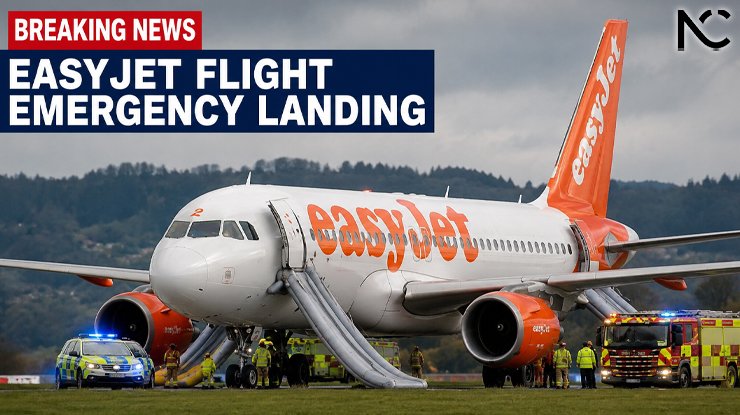
When you book a flight, the last thing you want to hear is that the plane has to land somewhere it was not supposed to. But emergency landings happen more often than most people think, and they are not always as scary as they sound. In this article, we will talk about EasyJet flight emergency landings, why they happen, what the airline does to keep passengers safe, and what you should know as a traveller.
What Is an Emergency Landing?
An emergency landing is when a pilot decides to land the plane at a different airport than planned, or lands early because of a problem. This is also called a “diversion.” Sometimes the problem is small, like a sick passenger. Other times, it can be more serious, like a technical issue with the plane.
Pilots are trained to make these decisions quickly. Their job is to keep everyone on board safe, and landing early is often the safest choice when something does not feel right.
About EasyJet
EasyJet is one of Europe’s biggest low-cost airlines. It flies to more than 150 airports across Europe and beyond. The airline carries millions of passengers every year, so it is normal that some flights will face unexpected problems from time to time.
EasyJet follows strict safety rules set by aviation authorities like the UK Civil Aviation Authority (CAA) and the European Union Aviation Safety Agency (EASA). These rules are in place to make sure every flight is as safe as possible.
Common Reasons for EasyJet Emergency Landings
There are several reasons why an EasyJet flight might need to land early or divert to another airport. Here are the most common ones:
1. Medical Emergencies
One of the most frequent reasons for a diversion is a passenger becoming seriously ill during the flight. If someone has a heart attack, has trouble breathing, or needs urgent medical help, the pilot may decide to land at the nearest airport so the person can get proper medical care quickly.
Cabin crew on EasyJet flights are trained in first aid. They can help passengers who feel unwell, but if the situation is serious, the captain will make the call to divert.
2. Technical Problems
Aircraft have many systems that need to work properly during a flight. If something does not work as expected, like an engine warning light, a problem with landing gear, or an issue with cabin pressure, the pilot may decide it is safer to land as soon as possible.
It is important to understand that modern planes like the Airbus A320, which EasyJet uses, are built with backup systems. A warning light does not always mean the plane is in danger, but pilots follow safety rules that require them to act with caution.
3. Severe Weather
Bad weather can make flying very difficult. Strong storms, heavy snow, or strong winds at the destination airport may force a pilot to divert to a nearby airport that has better conditions. This is a normal and safe decision.
4. Unruly or Disruptive Passengers
Sadly, some flights have to be diverted because a passenger behaves in a dangerous or aggressive way. If someone threatens the crew, tries to open a door, or creates a serious disturbance, the captain may land at the nearest airport so the person can be removed and, in some cases, arrested.
EasyJet takes these situations very seriously. Disruptive passenger incidents are reported to authorities, and offenders can face heavy fines or even be banned from flying.
5. Security Concerns
If there is a security threat, such as a suspicious item found on board or information received from ground authorities, the plane may be directed to land immediately. Security checks would then take place on the ground.
Recent EasyJet Emergency Landing Cases
Over the years, there have been several well-known EasyJet diversions that made the news. Here are a few examples that show how different these situations can be:
Medical Emergency Case: Flights have been diverted when passengers suffered heart attacks mid-flight. In several reported cases, EasyJet aircraft landed at the nearest airport so that medical teams could be waiting on the ground. Quick action by the crew and pilot saved lives.
Technical Issue Case: There have been incidents where pilots noticed warning signals related to engine performance or cabin pressure. In these cases, the plane landed safely at a nearby airport. Engineers checked the aircraft before it continued its journey or a replacement plane was arranged.
Disruptive Passenger Case: EasyJet has diverted flights when passengers became extremely aggressive or threatened staff. Cabin crew followed safety procedures and informed the captain, who made the decision to land. Police were waiting at the airport when the plane arrived.
These cases show that each diversion is different, but the goal is always the same: keep everyone safe.
What Happens After an Emergency Landing?
When a plane diverts, it can cause a lot of stress for passengers. Flights are delayed, plans are disrupted, and people may end up far from their planned destination. Here is what usually happens next:
Passengers are taken care of: EasyJet is required to look after passengers during a long delay. This includes providing food, water, and accommodation if needed. This is covered under UK and EU passenger rights rules.
The plane is checked: If the diversion was due to a technical issue, engineers will inspect the aircraft before it flies again. If the problem is serious, a different plane may be sent.
Passengers continue their journey: Once it is safe, passengers will either continue on the same plane or be moved to another flight to reach their destination.
Compensation may be available: Depending on the reason for the diversion, passengers may be entitled to compensation. If the emergency was caused by something the airline could have controlled, like a technical fault, passengers might have the right to claim money under EU Regulation 261/2004 or UK261.
How Safe Is EasyJet?
EasyJet has a strong safety record. The airline is regularly inspected by aviation authorities and follows international safety standards. Its pilots go through regular training and are checked often to make sure they can handle difficult situations.
No airline is completely free from problems, but the way EasyJet handles emergencies shows that safety is a top priority. The fact that flights are diverted when something goes wrong is actually a sign that the safety system is working.
Aviation experts often say that flying is still one of the safest ways to travel. Emergency landings are a part of aviation safety, not a sign that flying is dangerous.
Tips for Passengers During an Emergency Landing
If you ever find yourself on a flight that needs to make an emergency landing, here is what you should do:
- Stay calm. The crew is trained to handle these situations. Panic makes things harder for everyone.
- Listen to the cabin crew. Follow all instructions given by the flight attendants.
- Keep your seatbelt on. Always keep your belt fastened when you are in your seat, especially when told to do so.
- Do not use your phone. Unless told it is safe, avoid using your phone during an emergency procedure.
- Ask questions calmly. If you are worried, you can ask a crew member for information. They will tell you what they can.
Passenger Rights During a Diversion
If your EasyJet flight is diverted, you have rights. Under UK and EU law, airlines must:
- Provide meals and drinks during long waits
- Offer hotel accommodation if you have to stay overnight
- Give you two free phone calls or emails so you can contact people
- Offer a refund or an alternative flight if you choose not to travel
If your flight was delayed for more than three hours at your final destination, and the reason was something the airline could have prevented, you may also be entitled to financial compensation of up to 600 euros, depending on the flight distance.
What EasyJet Says About Safety
EasyJet has stated many times that safety is its number one priority. The airline works closely with aviation authorities, invests in pilot training, and follows strict maintenance schedules for its aircraft.
When incidents happen, EasyJet is required to report them to the relevant aviation authority. These reports are used to improve safety across the industry. This process of reporting and learning from incidents is one of the reasons aviation continues to become safer every year.
Final Thoughts
An EasyJet emergency landing can sound frightening, but in most cases, it is a well-managed safety decision made by trained professionals. Whether it is a sick passenger, a technical issue, or a bad weather situation, pilots and crew work together to make the best choice for everyone on board.
As a passenger, the best thing you can do is stay calm, trust the crew, and know your rights. Flying is still very safe, and the fact that airlines like EasyJet take these decisions seriously is something to feel good about.
The next time you hear about a flight diversion in the news, remember: it is not always a disaster. Often, it is the safety system doing exactly what it is supposed to do.
Frequently Asked Questions (FAQs)
1. What is an emergency landing on a plane? An emergency landing is when a pilot lands the plane earlier than planned or at a different airport because of a problem. The reason could be a sick passenger, a technical issue, bad weather, or a security concern.
2. How often do EasyJet flights make emergency landings? Emergency landings are not very common, but they do happen across all airlines, including EasyJet. With millions of flights per year, even a small percentage can result in a number of diversions. Most are handled safely and calmly.
3. Is an emergency landing the same as a crash? No. An emergency landing is a controlled decision made by the pilot to land the aircraft safely. It is very different from a crash, which is an uncontrolled event. Emergency landings are a safety measure.
4. Will I get a refund if my EasyJet flight is diverted? It depends on the reason. If the diversion causes a delay of more than three hours at your final destination, and the cause was something the airline could control, you may be entitled to compensation or a refund under UK261 or EU Regulation 261/2004.
5. What should I do if I feel unwell on an EasyJet flight? Tell a member of the cabin crew straight away. They are trained in first aid and can help you. If your condition is serious, they will inform the captain, who can arrange medical help or divert the plane if needed.
Click for more amazing info. News Cora
