
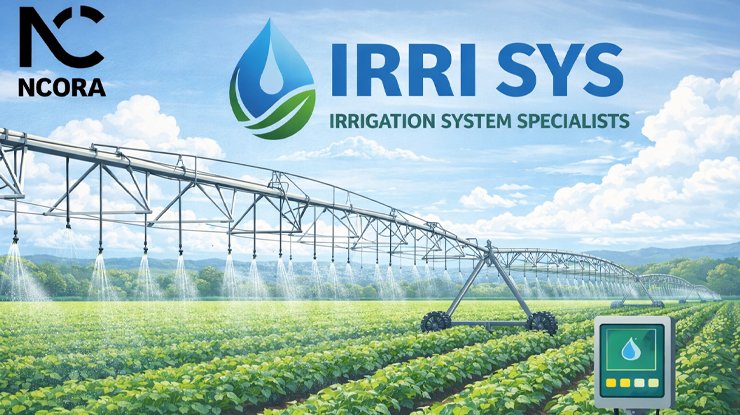
If you have a farm, a garden, or even a small piece of land where you grow plants, you already know how important water is. Without enough water, crops die. But too much water can also be a problem. This is where an irrigation system comes in.
What Is an Irrigation System?
An irrigation system is a way to bring water to your plants in a controlled and planned way. Instead of waiting for rain, you use pipes, tubes, sprinklers, or channels to send water directly to your crops.
Farmers have used irrigation for thousands of years. In ancient Egypt, farmers used the Nile River to water their fields. Today, we use more modern tools like sensors, timers, and even smartphone apps to manage water better.
The main goal of an irrigation system is simple: give your plants the right amount of water at the right time.
Why Is Irrigation Important for Farming?
Water is one of the most important things a plant needs to grow. But in many parts of the world, rain is not always available when crops need it. Some areas are very dry. Others get rain only in certain seasons.
Without irrigation, farmers depend on weather, which they cannot control. This can lead to dry crops, poor harvests, and loss of money.
With a good irrigation system, farmers can:
- Water their crops even during dry seasons
- Control how much water each plant gets
- Save time by automating watering
- Reduce water waste
- Grow more food on the same piece of land
In short, irrigation helps make farming more reliable and more productive.
Types of Irrigation Systems
There are several types of irrigation systems. Each one works differently and is better suited for different types of land and crops.
1. Drip Irrigation
Drip irrigation is one of the most efficient types. It sends small amounts of water directly to the roots of each plant through thin tubes. Because the water goes exactly where the plant needs it, very little water is wasted.
This type is great for vegetables, fruit trees, and plants grown in dry areas. It also helps reduce the growth of weeds because only the plant area gets water.
2. Sprinkler Irrigation
Sprinkler systems work like rain. They spray water into the air and it falls down on the plants. This is good for large areas like fields of wheat, grass, or flowers.
There are different kinds of sprinklers. Some stay in one place. Others move around the field automatically. Sprinkler systems are easy to set up and work well for many types of crops.
3. Surface Irrigation
This is one of the oldest types of irrigation. Water flows along the surface of the land in channels or furrows between the rows of crops. The water slowly soaks into the ground.
Surface irrigation does not need much equipment, which makes it a low-cost option. However, it can waste more water than other methods if not managed carefully.
4. Subsurface Irrigation
In this method, water is delivered underground, directly to the root zone of the plants. This is very efficient because the water does not evaporate from the surface. It also keeps the top of the soil dry, which reduces weeds.
This type is used in high-value crops and in areas where water is very limited.
5. Smart Irrigation Systems
Modern irrigation systems now use technology to make watering even more efficient. Smart systems use soil moisture sensors, weather data, and automated controllers to decide when and how much to water.
Farmers can control these systems using their phones or computers from anywhere. These systems learn from the weather and soil conditions to give plants exactly what they need, nothing more and nothing less.
How Does an Irrigation System Help Save Water?
One of the biggest benefits of a good irrigation system is water saving. In traditional farming, a lot of water is wasted. It evaporates in the sun, runs off the field, or goes to areas where there are no plants.
Modern irrigation systems solve this problem in several ways.
First, drip systems and subsurface systems send water directly to the roots. This means almost no water is lost.
Second, smart systems use sensors to check if the soil already has enough moisture. If it does, the system will not turn on. This prevents over-watering.
Third, many systems are connected to weather forecasts. If rain is coming, the system will skip watering that day. This saves a lot of water over time.
According to farming experts, smart irrigation systems can reduce water use by up to 50% compared to traditional methods. That is a big saving, especially in places where water is expensive or hard to find.
Other Benefits of Irrigation Systems
Saving water is not the only benefit. There are many other reasons why irrigation systems are good for your farm.
Better crop quality is one of them. When plants get the right amount of water at the right time, they grow stronger and produce better fruit or vegetables.
Lower costs are another benefit. Yes, setting up an irrigation system can cost money at the start. But over time, you save money on water bills and labor. Automated systems do the work for you, so you need fewer workers to manage watering.
Irrigation also allows farmers to grow crops all year round, not just during the rainy season. This means more income throughout the year.
It also helps protect the soil. Over-watering can damage soil and wash away important nutrients. A well-managed irrigation system keeps the soil healthy.
Who Can Use an Irrigation System?
Irrigation systems are not just for big commercial farms. Small farmers, gardeners, and even people who grow plants at home can use them.
Small drip systems are available at affordable prices and are easy to set up. Larger systems for big farms require more planning and investment, but the long-term benefits are worth it.
Non-profit organizations and governments in many countries also support irrigation projects to help small farmers grow more food and earn better incomes.
How to Choose the Right Irrigation System
Choosing the right system depends on a few things.
Think about the size of your land. A small home garden may need only a simple drip kit. A large farm may need a more complex sprinkler or smart system.
Think about the type of crops you grow. Some plants need water at the roots. Others do better with overhead watering.
Think about your water source. If water is limited or expensive, choose a more efficient system like drip or smart irrigation.
Think about your budget. Start with what you can afford and upgrade later if needed.
It is always a good idea to talk to a local agricultural expert or irrigation specialist before making a big investment.
The Future of Irrigation
Irrigation technology is getting better every year. New tools use artificial intelligence and satellite data to monitor crops and manage water more precisely than ever before.
In the future, irrigation systems will likely become even smarter and more affordable. This will help more farmers around the world grow food more efficiently, even in areas where water is very scarce.
For example, platforms like IRMA SYS already cover more than 50,000 hectares of farmland using smart irrigation technology, and have been recognized by global organizations as a model for sustainable farming.
As the world population grows and climate change makes weather less predictable, smart irrigation will become one of the most important tools in farming.
Final Thoughts
An irrigation system is one of the best investments a farmer can make. It helps save water, grow better crops, reduce costs, and make farming more reliable. Whether you have a small garden or a large farm, there is an irrigation solution that fits your needs.
Water is precious. A good irrigation system makes sure not a single drop is wasted.
If you are thinking about setting up an irrigation system, start by understanding your land, your crops, and your water source. Then choose the system that works best for you. The results will speak for themselves.
Frequently Asked Questions (FAQ)
1. What is an irrigation system in simple words? An irrigation system is a setup that brings water to your plants in a planned way, so they get the right amount of water at the right time without depending on rain.
2. Which type of irrigation system is best for saving water? Drip irrigation and smart irrigation systems are the best for saving water. They send water directly to the roots and avoid waste.
3. Is irrigation only for big farms? No. Irrigation systems come in many sizes. Small kits are available for home gardens, and larger systems are designed for big farms.
4. How much water can irrigation systems save? Smart irrigation systems can save up to 50% more water compared to traditional watering methods.
5. Can I control an irrigation system from my phone? Yes. Modern smart irrigation systems can be controlled using a smartphone app from anywhere.
6. Does irrigation help improve crop quality? Yes. When plants get the right amount of water regularly, they grow stronger and produce better quality fruits and vegetables.
7. What is the cheapest type of irrigation system? Surface irrigation is one of the cheapest types because it does not need much equipment. However, drip kits for small gardens are also affordable.
8. How does a smart irrigation system work? It uses soil moisture sensors, weather data, and automated controllers to decide when to water. It adjusts automatically based on real conditions.
9. Is it difficult to set up an irrigation system? Simple drip kits are easy to set up yourself. Larger systems for big farms may require professional help.
10. Why is irrigation important in dry areas? In dry areas, rain is not enough or reliable. Irrigation allows farmers to grow crops all year round by providing water even during dry seasons.
Click for more amazing info. News Cora
