
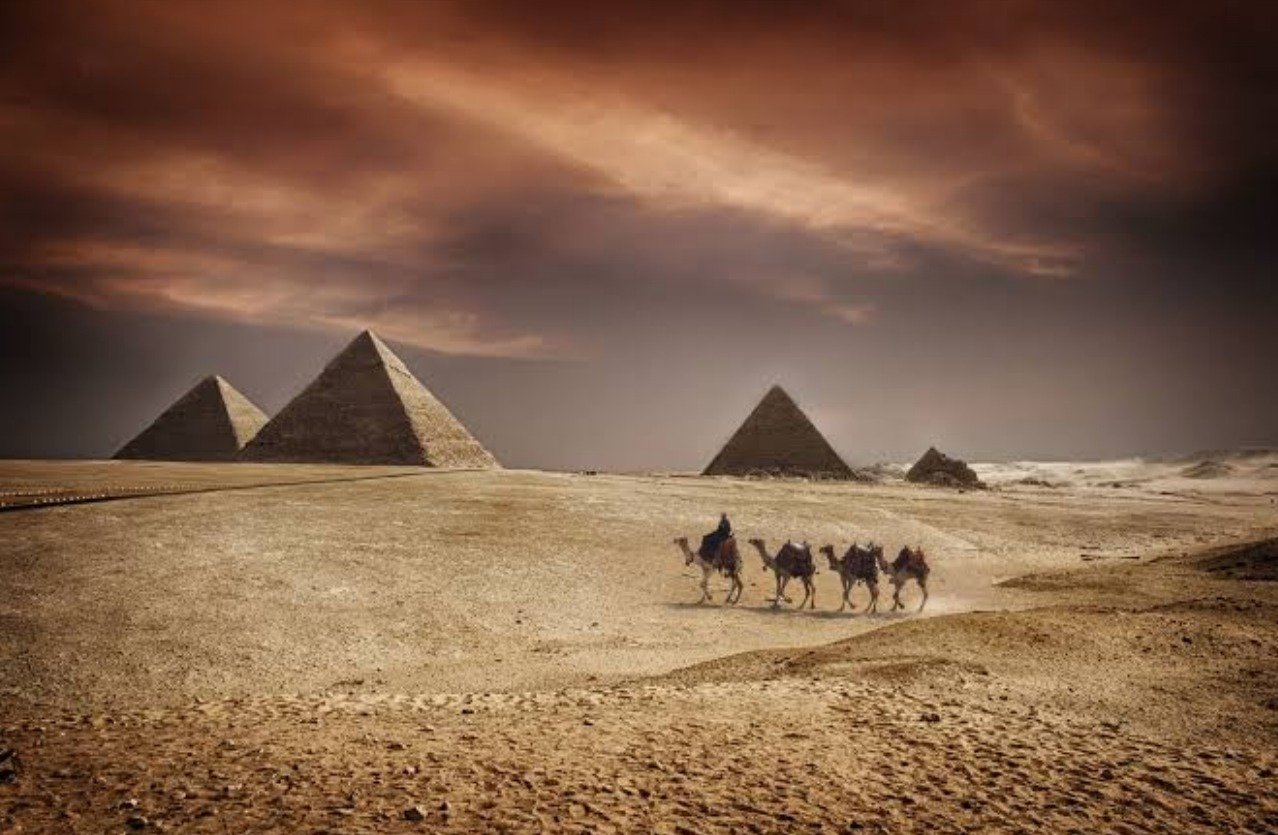
I still remember the first time I stood in front of the Great Pyramid. Early morning, no crowds yet, just me and something that’s been standing there for 4,500 years. I didn’t say anything for a while. Didn’t really need to.
That trip changed how I think about travel, honestly. Egypt isn’t somewhere you rush through with a checklist. It’s somewhere you feel. And when you can do it in comfort, with people around you who actually know what they’re talking about, it hits differently.
So here’s what I’ve picked up over a few trips about planning a proper luxury trip to Egypt — the stuff nobody tells you upfront.
Why Bother Going Luxury?
I get asked this a lot. Isn’t a budget trip just as good?
Sort of. But not really, if I’m being honest. Long queues in 40-degree heat wear you down fast — faster than you’d think. Group buses rushing you through a site in twenty minutes don’t give you time to actually take it in. Going the luxury route means a private guide who knows their stuff, boutique boats instead of packed cruise ships, desert camps that feel like an escape instead of an ordeal. Fewer stops, sure. But every single one of them means something.
Don’t Skip the Planning Part
Egypt’s history goes back over 5,000 years. That’s not something you wing.
I learned this the hard way on my first trip — tried to plan everything myself and ended up missing half the good stuff simply because I had no idea it existed. A good local operator changes that completely. They know which temple to hit at which hour, which guide actually knows the history versus one just reading off a script, and how to build the whole route around what you actually care about — pharaohs, Islamic Cairo, Coptic heritage, whatever it is for you. I worked with archaeologicalpaths.com on a later trip, and their depth of knowledge on the archaeological side genuinely made a difference. Worth checking out at archaeologicalpaths if you want someone who treats the history seriously instead of just moving you from stop to stop.
Timing Matters More Than You’d Think
October through April. That’s the window. Trust me on this one.
I visited Luxor in July once. Never again — the heat at midday is no joke, and it wrecks your energy for the rest of the day, no matter how much water you’re drinking. Go in the cooler months and you can actually walk around the Valley of the Kings without wanting to lie down somewhere shaded.
Cairo Comes First
Start in Cairo. It sets the tone for everything after it.
Book a hotel with pyramid views if you can swing it — waking up to that skyline is worth whatever extra it costs. Get to Giza early, before the buses show up. A decent guide will tell you stories about the Sphinx and the Solar Boat Museum that you won’t find in any guidebook, not even the good ones. Make time for the Grand Egyptian Museum too — it’s fully open now near Giza, and the complete Tutankhamun collection is finally under one roof after being scattered for decades. It’s worth the hype, for once. Just book tickets online ahead of time; there’s no walk-up counter.
The Nile Cruise Is Non-Negotiable
Skip the big cruise ships. Book a dahabiya instead.
It’s a traditional sailboat — small, usually just a handful of cabins, moves at its own pace. No engine noise, no crowds, just the river and the banks drifting by slowly. Sailing from Luxor to Aswan, you’ll stop at Karnak, the Valley of the Kings, Edfu, Kom Ombo, Philae Temple. Each one lands differently when you’re not being rushed to the next stop on someone else’s schedule.
Luxor and Aswan Deserve Real Time
People rush Luxor. Don’t.
It’s called the world’s largest open-air museum for a reason, and it earns it. If you can manage it, do a hot air balloon ride at sunrise over the Valley of the Kings — I’ve done it twice now and it still gets me every time. In Aswan, slow right down. Sit by the Nile in the evening and just watch it go by. And make the trip out to Abu Simbel — go early, beat the tour groups, because standing in front of those temples with actual quiet around you is a completely different thing.
The Desert and the Red Sea
Got extra days? Use them.
The White Desert is otherworldly — chalk formations that look almost fake, like something out of a dream, and the stargazing out there is unlike anything you’ll get near a city. If you want to unwind after all the temples, Hurghada or El Gouna give you proper diving and beach time. Good way to end the trip instead of going straight from ancient ruins to an airport lounge.
The Small Things That Make It Feel Luxurious
Honestly, it’s rarely the big stuff. It’s the details.
A guide who gets you into a tomb before it opens to the public. A dinner set up beside a temple at night, nobody else around for miles. Those are the moments that stay with you long after you’ve forgotten the exact dates on some museum plaque. If you want that kind of access, look for operators who specialize in archaeology rather than general tourism — this is where https://archaeologicalpaths.com stood out for me, since their whole focus is on the history side, not just herding people through sites.
Where You Stay Actually Matters
Don’t book blind. Look for character.
I’ve stayed in colonial-era hotels with creaky wooden floors and views that made up for the creaking, and I’ve stayed in sleek modern resorts with infinity pools facing the Nile. Both have their place. Depends what kind of trip you’re after. Riverside lodges near the ruins tend to give you the best mix of comfort and atmosphere, if you’re undecided.
Final Thoughts
Egypt gets under your skin. It really does.
A good luxury trip isn’t about spending more just to spend more. It’s about having the room to actually absorb what you’re looking at — without rushing, without a crowd pressing in behind you. Get the planning right, pick the right people to guide you through it, and Egypt stops being a bucket-list photo. It becomes something you carry with you long after you’ve flown home.
