
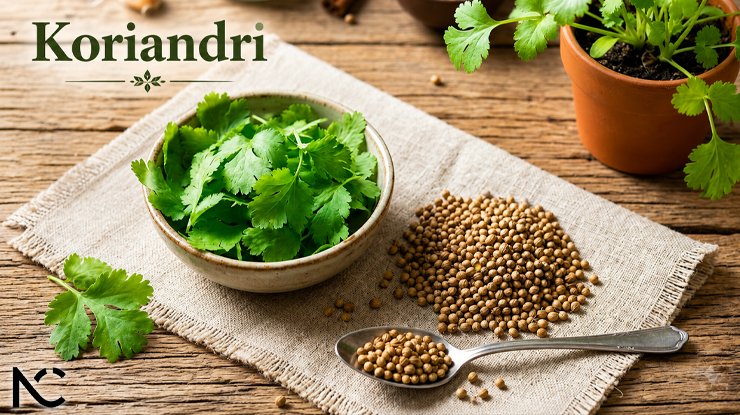
If you have ever cooked a curry, made a fresh salsa, or eaten food from South Asia or the Middle East, you have probably used koriandri without even knowing its name. Koriandri is simply another name for coriander, one of the oldest and most loved herbs in the world. From its bright green leaves to its small round seeds, every part of this plant is useful in the kitchen and for your health.
What Is Koriandri?
Koriandri (also called coriander or cilantro) is a plant from the family Apiaceae. Its scientific name is Coriandrum sativum. The plant grows small white or light pink flowers and has bright green, flat leaves. People use both the leaves and the seeds, but in different ways.
In many countries, the fresh green leaves are called cilantro, while the dried seeds are called coriander. In other parts of the world, everything from the same plant is simply called coriandri or coriander. No matter what name you use, this herb has a long and interesting history.
A Short History of Koriandri
Koriandri is one of the oldest known herbs. People have been using it for more than 5,000 years. Seeds from this plant were found in ancient Egyptian tombs, which shows just how important it was in the old world.
The ancient Greeks used coriander in perfumes and medicines. The Romans brought it to many parts of Europe. Later, Spanish explorers carried it to North and South America. Today, koriandri is grown and used in almost every country in the world.
In South Asia, especially in countries like India, Pakistan, and Bangladesh, koriandri is a daily cooking ingredient. In Mexico and Latin America, fresh cilantro leaves are added to salsas, tacos, and soups. In the Middle East and North Africa, coriander seeds are ground into spice blends. This herb truly belongs to the whole world.
What Does Koriandri Taste Like?
This is a very interesting question because different people experience the taste of koriandri in very different ways. Most people describe the fresh leaves as having a bright, citrusy, slightly herby flavor. It feels fresh and light in the mouth.
However, some people think cilantro tastes like soap. This is not just a preference; science has shown that this is connected to a person’s genes. People who carry a certain gene are more sensitive to the soapy compounds in the leaves. So if you do not like fresh coriander leaves, your genes might be the reason.
The seeds, on the other hand, have a very different flavor. They are warm, slightly sweet, and nutty. Most people who dislike fresh leaves actually enjoy the seeds in cooking.
Nutritional Value of Koriandri
Koriandri is not just a flavor booster. It is also packed with good things your body needs.
Fresh coriander leaves are a good source of:
- Vitamin K which helps with blood clotting and bone health
- Vitamin C which supports the immune system
- Vitamin A which is good for your eyes and skin
- Folate which is important for cell growth
- Potassium which helps the heart and muscles
The seeds contain good amounts of:
- Dietary fiber for digestion
- Iron for healthy blood
- Magnesium for muscles and nerves
- Calcium for strong bones
Even though you use small amounts of koriandri in cooking, adding it regularly to your meals can help support your overall health.
Health Benefits of Koriandri
People around the world have used koriandri as a natural remedy for hundreds of years. Modern science has now begun to confirm many of these traditional uses. Here are some of the most important health benefits.
1. Helps with Digestion
Koriandri has been used for centuries to calm the stomach. It can help reduce gas, bloating, and stomach cramps. The seeds are especially helpful for people with digestive problems. Some studies suggest that coriander seed extract can help people with irritable bowel syndrome (IBS).
2. Lowers Blood Sugar
Research has shown that koriandri may help lower blood sugar levels. This is very useful for people with diabetes or those who are at risk of getting it. The plant seems to work by helping the body use insulin more effectively.
3. Has Antioxidant Properties
Koriandri is rich in antioxidants. These are special compounds that protect your body from damage caused by harmful molecules called free radicals. Antioxidants are important for preventing aging and many chronic diseases.
4. Supports Heart Health
Some studies show that koriandri can help lower bad cholesterol and blood pressure. These are two major risk factors for heart disease. By adding koriandri to your diet, you may be doing something good for your heart without even trying hard.
5. May Reduce Inflammation
Inflammation is the root cause of many health problems including arthritis, diabetes, and some cancers. Koriandri contains compounds that have natural anti-inflammatory effects. This means it can help calm down inflammation in the body.
6. Good for Skin
Koriandri has been used in traditional medicine to treat skin problems like rashes, dryness, and infections. The antibacterial properties of coriander oil may help keep skin clean and healthy.
7. Helps with Anxiety
Some early research suggests that coriander extract may have a calming effect on the body. It might help reduce anxiety and improve sleep quality. While more research is needed, this is a very promising finding.
How to Use Koriandri in Cooking
One of the best things about koriandri is how easy it is to add to your food. Here are some simple and popular ways to use it.
Fresh Leaves:
- Chop and sprinkle over soups, stews, and curries just before serving
- Mix into salsas, chutneys, and dips
- Use as a topping on tacos, rice bowls, or grilled fish
- Blend into smoothies for an extra nutrient boost
Coriander Seeds:
- Dry roast them in a pan to bring out their flavor
- Grind into powder and use in spice blends
- Add whole seeds to pickles, bread, or sausages
- Use in tea for a warm, spiced drink
Coriander Oil:
- Used in some cooking and also in skincare products
The key with fresh leaves is to add them at the end of cooking. Too much heat kills the fresh flavor and bright color. Seeds, however, are better when cooked or toasted because heat brings out their warm, nutty taste.
Growing Koriandri at Home
Good news: koriandri is one of the easiest herbs to grow at home. You do not need a big garden. A small pot on a sunny windowsill or balcony is enough.
Here are some simple tips for growing it:
- Plant the seeds about 1 cm deep in good quality soil
- Water regularly but do not overwater as the roots can rot
- Keep the plant in a sunny spot with at least 6 hours of sunlight
- Harvest the outer leaves first so the plant keeps growing
- Let some plants flower and produce seeds for next season
Koriandri grows quickly and you can start picking leaves in about 3 to 4 weeks. It is a very rewarding herb to grow because you always have fresh leaves available.
Why People Love Koriandri
People love koriandri for many reasons. First, it adds a beautiful fresh flavor to food that is hard to replace. Second, it is very affordable and easy to find in most markets. Third, it is healthy and adds real nutritional value to meals.
But perhaps the biggest reason people love it is the way it connects them to their culture and food traditions. For millions of families around the world, the smell of fresh coriander in the kitchen means home. It is the herb that ties generations together through shared recipes and meals.
Even people who once disliked the taste often come to enjoy it over time. Many cooks suggest starting with small amounts and slowly increasing as your taste adjusts.
Possible Side Effects and Cautions
Koriandri is safe for most people when used in normal cooking amounts. However, there are a few things to keep in mind.
- Some people may be allergic to coriander. This is more common in people who are already allergic to other plants in the same family like celery or fennel.
- In very large amounts, coriander supplements may cause liver damage, though this is very rare with normal food use.
- Pregnant women should use it in regular cooking amounts and avoid very large doses.
- If you are taking medication for diabetes or blood pressure, talk to your doctor before using large amounts of coriander as a supplement.
As with any food or herb, a little every day is the best approach.
Final Thoughts
Koriandri is truly a remarkable herb. It has been loved by people for thousands of years, and there is a very good reason for that. It tastes great, it is good for your health, it is easy to grow, and it is affordable. From the busy streets of Mumbai to the food markets of Mexico City, this little herb has made its way into the hearts and kitchens of people everywhere.
Whether you use it as a fresh topping, a dried spice, or a natural remedy, koriandri is a simple way to make your food and your health a little better. Give it a try if you have not already. You might be surprised by how much you enjoy it.Share
Frequently Asked Questions (FAQs)
1. What is koriandri? Koriandri is another name for coriander or cilantro. It is a herb used in cooking and traditional medicine all over the world. Every part of the plant, including the leaves, seeds, and roots, can be used.
2. Is koriandri the same as cilantro? Yes. The fresh green leaves are often called cilantro in North America and Latin America. The dried seeds and the whole plant are called coriander or koriandri. They all come from the same plant, Coriandrum sativum.
3. Why does coriander taste like soap to some people? This happens because of genetics. Some people have a gene variant that makes them more sensitive to certain natural compounds in the leaves called aldehydes. These compounds smell and taste similar to soap to them.
4. What are the main health benefits of koriandri? Koriandri supports digestion, helps lower blood sugar, reduces inflammation, supports heart health, and is rich in vitamins and antioxidants. It has been used as a natural remedy for thousands of years.
5. Can I eat koriandri every day? Yes, eating koriandri in normal cooking amounts every day is perfectly safe and healthy for most people. It is a nutritious herb that adds flavor and goodness to your meals.
6. How do I store fresh coriander leaves? Place fresh coriander leaves in a glass of water like a bouquet of flowers and cover the top loosely with a plastic bag. Keep it in the fridge. It will stay fresh for up to two weeks this way.
7. Can koriandri help with weight loss? Koriandri is very low in calories and can be a helpful part of a healthy diet. It supports digestion and may help manage blood sugar, both of which can support weight management. However, it is not a magic solution on its own.
8. Are coriander seeds and leaves the same in terms of health benefits? They have similar but slightly different benefits. The leaves are higher in vitamins A, C, and K. The seeds are richer in fiber, iron, and compounds that support digestion and blood sugar control.
9. Can koriandri be used for skin care? Yes. Coriander has antibacterial and anti-inflammatory properties that make it useful for skin. Coriander oil or paste is used in traditional remedies for rashes, dry skin, and minor infections.
10. Is koriandri safe during pregnancy? Using koriandri in regular cooking amounts is generally considered safe during pregnancy. However, large doses in supplement form are not recommended. Always check with your doctor if you are unsure.
Click for more amazing info. News Cora
